Unlock Trading Insights: How Free Vectors on TradingView Help Frame the Market

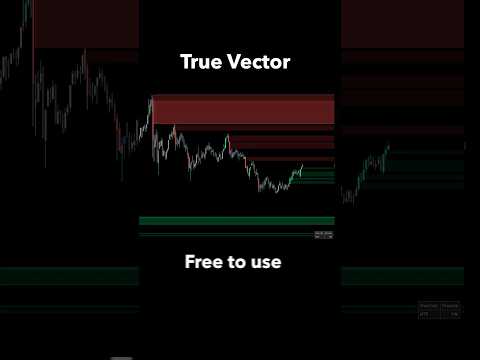
Navigating the financial markets requires accurate visual data and reliable technical indicators. For traders who rely on price action analysis, finding tools that provide clear, actionable insights without expensive subscription fees is crucial. Whether you are a beginner or a seasoned trader, utilizing free vectors like the True Vector indicator on TradingView can significantly improve your charting accuracy and market awareness.

Frame the Market Pulse with Precision

Understanding market momentum is all about seeing the overall direction clearly. The True Vector tool on TradingView is specifically designed to help traders frame the market pulse effortlessly. Instead of getting lost in overwhelming chart patterns or lagging indicators, vector-based visual analysis gives you a clean representation of price trajectory and directional strength.

By incorporating free vectors into your daily charting routine, you can easily filter out market noise and focus on high-probability setups. This visual clarity allows you to identify critical key levels, spot momentum shifts early, and align your entries with dominant market movements.

Upgrade Your Analytical Workflow

While individual tools like True Vector offer immense value on their own, pairing them with a cohesive suite of trading resources can take your market analysis to the next level. Traders looking for a complete edge often explore broader analytical toolsets, such as the Smart Suite Bundle, to complement their core vector indicators.

Combining directional vector signals with smart market filters gives you a multi-dimensional view of price behavior across forex, stocks, or cryptocurrencies. Starting with accessible, high-performance indicators on TradingView ensures you build a solid, cost-effective foundation for your trading strategy.

Final Thoughts

Mastering the charts does not require overcomplicating your trading desk. By leveraging powerful, accessible tools on TradingView, you can streamline your technical analysis and stay ahead of key market shifts. Search for the True Vector tool on TradingView today and start reading the market pulse with total clarity!

Free vectors

Soft Golden Vector Gradients: Premium Backgrounds for CAD & Product Design

Preview ImagePreview Image

Elevate your technical presentations, 3D product renders, and UI/UX interface mockups with this versatile Set of Soft Golden Gradient Vector Backgrounds. Crafted for high-end visual communication, these scalable vectors provide realistic metallic tones and subtle light transitions ideal for premium industrial design backdrops, engineering sales decks, and software UI assets.

Key Features:

  • Fully Scalable Vectors: Resolution-independent graphics suitable for large-scale prints, CAD banners, or high-density digital displays.
  • Smooth Metallic Palette: Expertly blended soft golden gradients designed for modern, luxury, and high-tech aesthetic applications.
  • Multi-Software Compatibility: Standard vector format compatible with Adobe Illustrator, CorelDRAW, Inkscape, and modern UI design tools.
  • Versatile Application: Perfect for 3D product rendering backdrops, technical marketing collateral, branding, and custom software UI accents.

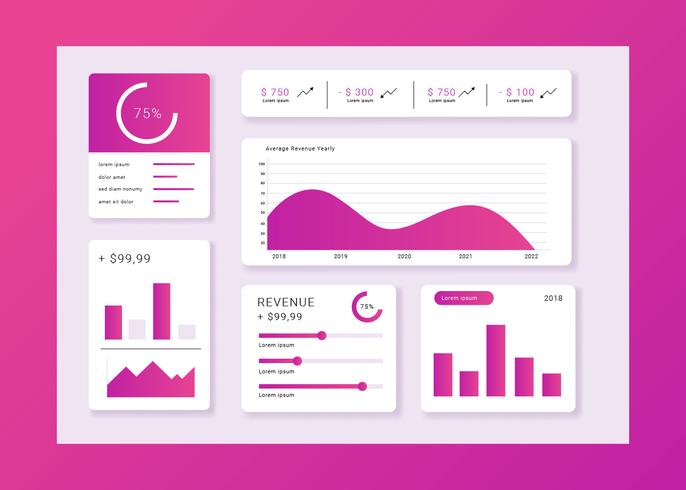
Modern Violet Chart UI Kit Pro: Vector & SVG Assets for Technical Dashboards

Preview ImagePreview Image

Upgrade your engineering software interfaces and data visualization dashboards with the Modern Violet Chart UI Kit Pro. Designed for UI/UX engineers, software developers, and CAD application designers, this comprehensive vector asset pack provides high-precision graphical components for complex data representation.

Key Features:

  • Scalable Formats: Includes fully editable Pro Vector and Pro SVG files, ensuring lossless scaling for high-DPI engineering displays and web apps.
  • Modern Aesthetic: Styled with a sleek, dark-mode friendly violet theme tailored for modern telemetry, diagnostic tools, and monitoring software.
  • Data Visualization Ready: Features pre-built UI components including line charts, bar graphs, radial gauges, and telemetry indicators.
  • Seamless Integration: Easily customizable in Illustrator, Figma, or direct web implementation via clean SVG code.

Ideal for engineering dashboards, CAD software UI modules, and IoT monitoring control panels.


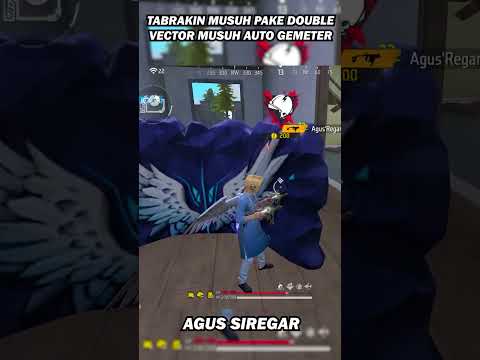
Master the Deadliest Double Vector Combo: Why These Free Vectors are Game-Changers

In the fast-paced world of mobile battle royales, few things strike fear into the hearts of opponents like the rapid-fire sound of dual SMGs. I recently put one of the most notorious loadouts to the ultimate test: the "Deadliest Double Vector Combo." If you have been looking for a way to dominate your close-quarter engagements and rack up more wins, understanding the mechanics of these free vectors in your arsenal is the first step toward victory.

The Power of the Double Vector

The Double Vector isn’t just a weapon choice; it’s a statement. When you enter "Akimbo" mode, you effectively double your fire rate, creating a wall of lead that few players can survive. During my testing phase, I found that this combo melts through Level 3 vests in a matter of seconds. The sheer DPS (Damage Per Second) is unmatched in building-to-building combat. While many players spend their time searching for premium skins, the raw power of the standard free vectors you find on the map is more than enough to wipe a full squad if handled correctly.

Tactical Mastery: How to Close the Gap

To truly master this deadly combo, you have to change your playstyle. The Vector suffers from significant damage drop-off at long range, meaning you need to be a master of movement. I recommend using "Gloo Walls" or speed-boosting character abilities to close the distance between you and your target.

Once you are within five to ten meters, the Double Vector becomes a delete button. In my gameplay sessions, I noticed that the most successful players are those who don't hesitate. When you locate these free vectors during your initial loot phase, make sure you prioritize high-capacity magazines, as the high fire rate means you will go through ammunition incredibly fast.

The Final Verdict: Is it Broken?

After testing the combo in various ranked scenarios, the result is clear: the Double Vector remains the king of close-range combat. It rewards aggressive players who aren't afraid to get into the thick of the action. Whether you are a seasoned pro or a casual player, mastering the recoil and movement of this dual-wield setup will significantly boost your K/D ratio.

Stop playing defensively and start taking control of the map. With the right strategy, the deadliest weapon in the game is already waiting for you in your next match.

Free vectors

Types of Vectors Explained: From Free Vectors to Unit and Equal Vectors

Vector algebra is a foundational concept in mathematics and physics, essential for understanding everything from physical forces and velocity to 3D computer graphics. However, not all vectors behave in the same way. To master vector operations, you must first understand the fundamental types of vectors and how their properties differ.

What Are Free Vectors?

In linear algebra and physics, free vectors play a crucial role. A free vector is defined entirely by its magnitude and direction, completely independent of its initial point or position in space. This means you can shift free vectors parallel to themselves anywhere in a coordinate system without altering their mathematical value. Because their starting point does not restrict them, they are widely used when analyzing forces, displacements, and standard vector addition.

Key Types of Vectors You Need to Know

Beyond free vectors, several specific vector types form the backbone of high school and college-level mathematics:

  • Zero (or Null) Vector: A vector whose magnitude is zero and whose direction is arbitrary or undefined. It is represented as $\vec{0}$ and serves as the additive identity in vector algebra.
  • Unit Vector: A vector that has a magnitude of exactly one unit. Unit vectors are primarily used to specify a direction in space without changing the magnitude of the quantity they multiply.
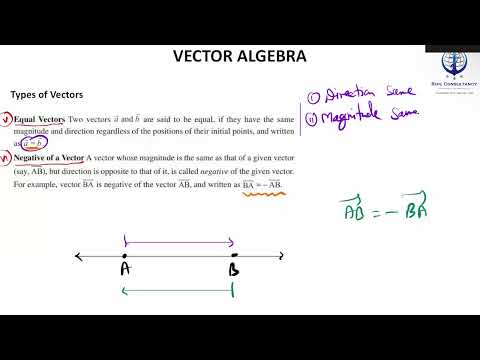
  • Equal Vectors: Two or more vectors are considered equal if they share both the exact same magnitude and direction, regardless of where their initial points are located.
  • Parallel and Collinear Vectors: Vectors that act along the same line or parallel lines. Parallel vectors can point in the same direction (like vectors) or opposite directions (unlike vectors).

Why Mastering Vector Types Matters

Before attempting complex calculations like scalar (dot) products, vector (cross) products, or 3D geometry problems, grasping these distinct vector types is essential. Recognizing whether you are working with unit vectors, zero vectors, or parallel vectors ensures precision and confidence when solving advanced math problems.

Free vectors

Charts UI Kit Purple Vector: High-Quality SVG Dashboard & Data Visualization Assets

Preview ImagePreview Image

Enhance your engineering, telemetry, or software analytics dashboards with the modern Charts UI Kit Purple Vector. Designed for high-density data displays and crisp user interfaces, this royalty-free vector asset pack offers clean, customizable chart elements and widgets in scalable SVG and vector formats.

Key Features & Technical Highlights:

  • Fully Scalable SVG Vectors: Resolution-independent graphics suitable for high-DPI displays, web-based CAD tools, and software front-ends.
  • Modern Purple Visual Theme: Professional dark/purple color palette optimized for dark mode interfaces and analytical dashboards.
  • Comprehensive UI Components: Includes line graphs, bar charts, pie charts, progress indicators, and data widgets.
  • Seamless Integration: Compatible with Adobe Illustrator, Figma, Sketch, and direct web integration (SVG/CSS).

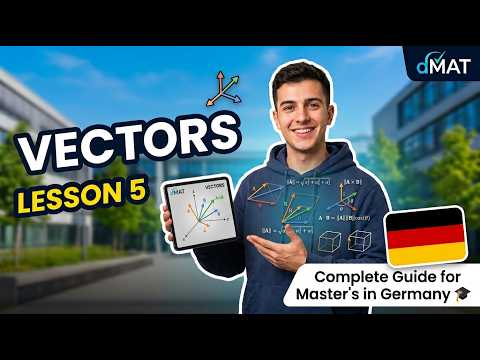
Mastering dMAT 2026 Lesson 5: A Complete Guide to Vectors and Free Vectors Formulas

Welcome back to the dMAT Preparation Hub! As we move forward in our journey toward the dMAT 2026 entrance exam, we have officially reached a pivotal milestone. In Lesson 5, we transition into the highly anticipated Subject Module, starting with one of the most fundamental topics in physics and mathematics: Vectors.

Understanding the Foundation of Vectors

A vector is a quantity that possesses both magnitude and direction. In the context of competitive exams like the dMAT, understanding the behavior of these quantities is crucial. One of the first concepts students encounter is the distinction between bound vectors and free vectors. In linear algebra, free vectors are those that are characterized solely by their magnitude and direction, meaning they can be shifted anywhere in space without changing their mathematical value. Mastering the properties of these vectors allows you to simplify complex geometric problems into manageable algebraic equations.

Key Formulas and Calculations

To excel in the dMAT Subject Module, you must be comfortable with the core formulas. Lesson 5 breaks down the essential operations you will need to perform under exam pressure, including:

  • Vector Addition and Subtraction: Using the parallelogram and triangle laws.
  • Scalar Multiplication: Changing the magnitude of a vector without altering its orientation.
  • The Dot Product: Calculating the angle between two vectors and determining orthogonality.
  • Magnitude Calculation: Finding the "length" of a vector using the Pythagorean theorem in three-dimensional space.

By internalizing these formulas, you transform abstract concepts into tools that can be used to solve even the most challenging dMAT practice questions.

Why This Lesson Matters for dMAT 2026

The dMAT is designed to test your analytical thinking and your ability to apply mathematical theory to practical scenarios. Vectors form the language of the physical world; they are the building blocks for mechanics, electromagnetism, and advanced geometry.

As you go through your study sessions, remember that consistency is key. We recommend taking the time to draw out each problem visually. Whether you are calculating the displacement of an object or analyzing the force acting upon a point, visualizing these free vectors in a coordinate system will help prevent common calculation errors.

Conclusion and Next Steps

Lesson 5 is just the beginning of our deep dive into the dMAT Subject Module. By the end of this guide, you should feel confident in your ability to identify, manipulate, and calculate vector-based problems. Be sure to download our practice worksheets and follow along with the video to ensure you are fully prepared for the dMAT 2026. Stay focused, keep practicing, and let’s master these mathematical foundations together!

Free vectors

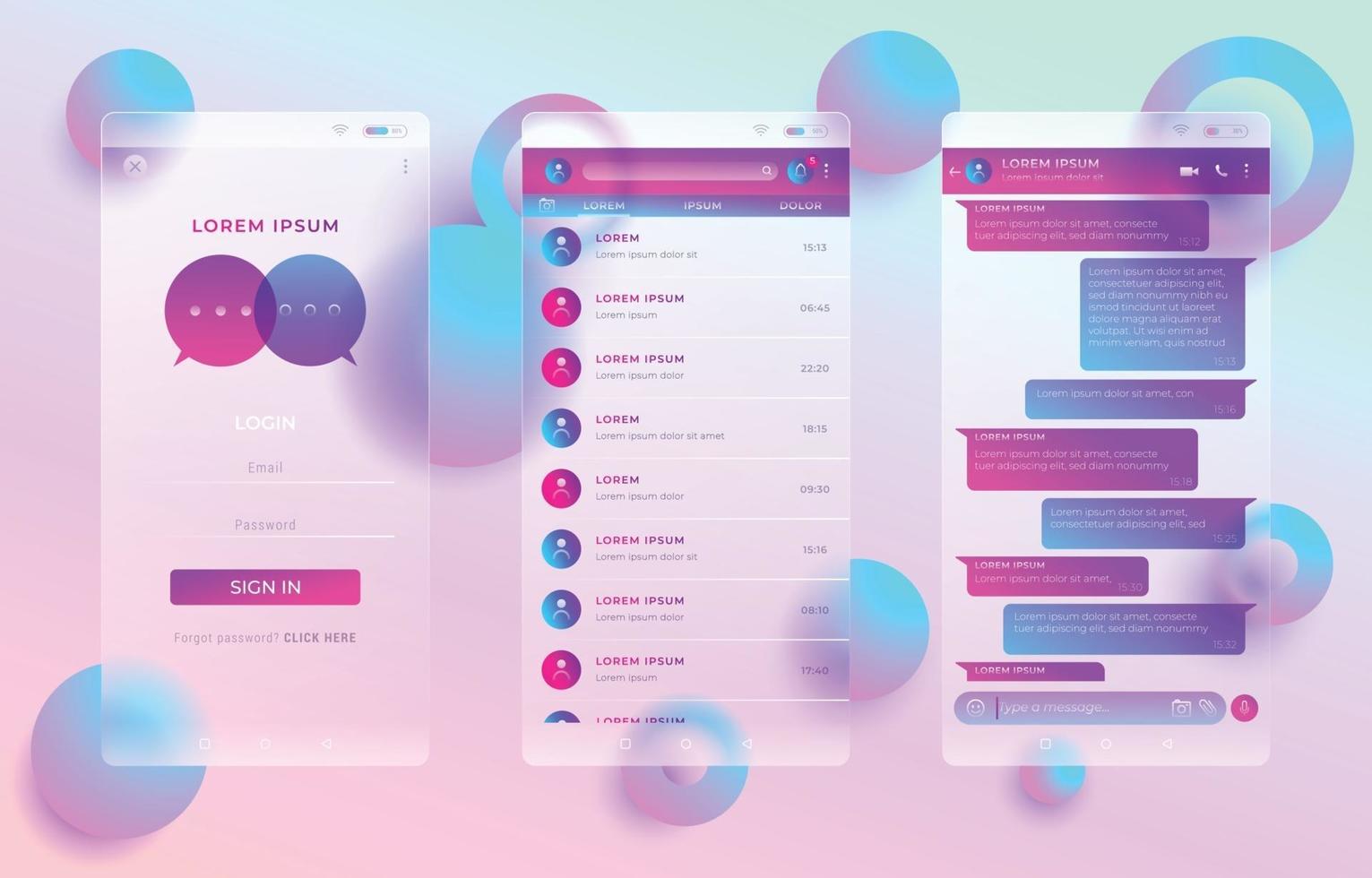
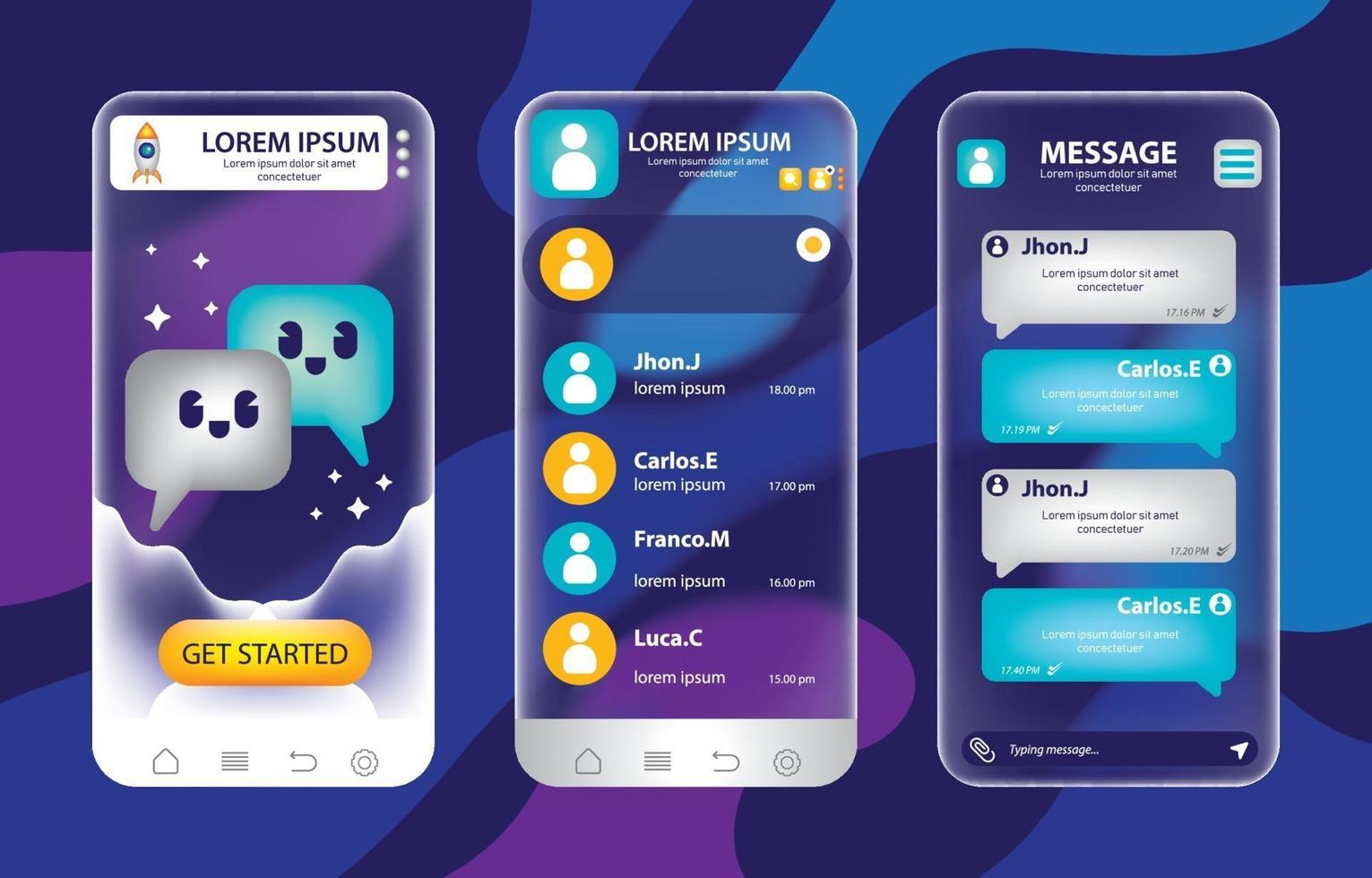
Glassmorphism Mobile Messenger UI Vector Template for App Developers

Preview ImagePreview Image

Upgrade your digital product design with this modern Mobile Messenger Application Template crafted in a sleek Glassmorphism style. Designed for UI/UX designers, software engineers, and mobile developers, this vector asset provides a high-quality foundation for prototyping modern messaging interfaces.

Key Features & Highlights:

  • Modern Glassmorphism Aesthetic: Includes frosted-glass visual effects, vibrant background gradients, and sleek translucent layers.
  • Fully Editable Vector Graphics: Scalable vector elements that maintain crisp detail at any display resolution.
  • Comprehensive UI Components: Pre-built layout elements for chat screens, user profiles, message bubbles, and navigation bars.
  • Developer & Prototype Ready: Seamlessly integrate into vector design tools and UI workflows like Figma, Adobe XD, or Illustrator.

Ideal for software resource libraries, app interface mockups, and modern frontend application development projects.


Master Affinity Vector: A Complete Guide to Designing Free Vectors

Vector graphic design has become an essential skill for modern creators, digital marketers, and brand identity designers. Whether you want to design sharp logos, eye-catching labels, or high-quality digital assets, working with scalable graphics is crucial. While many creators constantly search for pre-made assets, learning how to design your own free vectors using powerful software like Affinity Vector can completely transform your creative workflow.

Why Choose Affinity Vector for Graphic Design?

Affinity has established itself as an industry-leading suite of creative software. Known for its versatile 3-in-1 approach, the software combines speed, precision, and efficiency. The Vector Studio within Affinity provides a comprehensive set of tools specifically built for crafting sharp, infinite-resolution artwork without losing quality.

From essential shape tools and pen paths to advanced typography and color gradients, Affinity Vector gives you full creative freedom. It is an ideal solution for both beginners looking to understand the fundamentals of node manipulation and experienced designers who want a streamlined, robust workspace.

From Basics to Advanced: Master the Tools

Mastering vector design doesn't have to be overwhelming. A structured step-by-step approach can take you from an absolute beginner to an advanced creator in a short amount of time.

Key concepts covered in complete vector design training include: - Core Tools & Navigation: Understanding the canvas, nodes, pen tool, and shape builders. - Brand Identity Design: Crafting sleek logos, custom typography, and scalable icons. - Packaging & Print: Designing professional product labels, stickers, and marketing materials. - Custom Asset Creation: Instead of searching through stock websites to download generic free vectors, you gain the skills to build unique, royalty-free assets tailored precisely to your brand.

Start Creating Professional Vector Art Today

Relying on overused graphics found online can limit your brand's visual appeal. Learning how to navigate vector tools unlocks unlimited possibilities for your creative projects. By dedicating time to learn the software from A to Z—from basic geometry to advanced illustration techniques—you can produce stunning visuals independently.

Stop searching endlessly for basic free vectors online. Take control of your design workflow, master Affinity Vector, and start creating professional-grade graphics today!

Free vectors

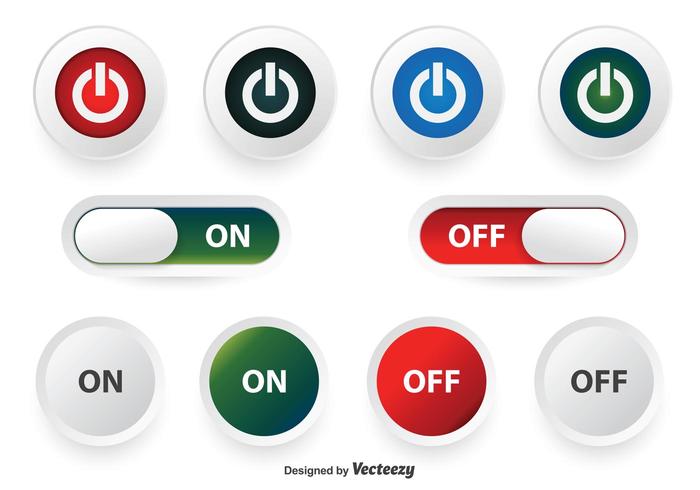
Free Vector On/Off Power Button Set for CAD & Software UI Design

Preview ImagePreview Image

Enhance your control panel mockups, software interfaces, and embedded systems design with this versatile Off and On Power Button Vector Set. Essential for UI/UX engineers, CAD interface designers, and software developers creating intuitive hardware or software control graphics.

Key Features & Technical Specifications:

  • Scalable Formats: Includes resolution-independent SVG and Vector formats, ideal for high-DPI displays, HMI screens, and digital twin dashboards.
  • Customizable Elements: Easily adjust colors, states, and glow effects to fit industrial control standards or modern app aesthetics.
  • Versatile Application: Perfect for IoT device interfaces, mechanical control panel mockups, and software user controls.
  • Royalty-Free Vector Asset: High-quality graphic assets ready for immediate technical and UI design integration.

Integrate clean, recognizable power toggles into your engineering hardware schematics and software GUIs today.


Master the Basics: Exploring Unit, Equal, and Free Vectors in Class 12 Maths

In the study of physics and advanced mathematics, vectors are more than just lines with arrows; they are the fundamental building blocks for understanding force, velocity, and spatial geometry. For Class 12 students, mastering vector algebra begins with a clear understanding of the different types of vectors. While they may look similar on paper, their mathematical properties vary significantly.

Understanding the Concept of Free Vectors

Before diving into specific types, it is crucial to understand the context in which we study them. In most standard mathematical problems, we deal with free vectors. These are vectors whose initial point is not restricted to a specific location in space. As long as the magnitude and direction remain unchanged, the vector can be moved parallel to itself. This flexibility of free vectors is what allows us to perform operations like addition and subtraction using the triangle or parallelogram laws easily.

The Essentials: Unit and Zero Vectors

Two of the most common types you will encounter are the Unit Vector and the Zero Vector.

  • Unit Vector: As the name suggests, a unit vector has a magnitude of exactly one. Its primary purpose is to indicate direction. In coordinate geometry, these are often represented by the symbols i, j, and k.
  • Zero Vector: Also known as a null vector, this has a magnitude of zero. Because it has no length, its direction is indeterminate. It acts as the identity element in vector addition.

Equal vs. Parallel Vectors

Distinguishing between equal and parallel vectors is a common area of confusion for students.

  1. Equal Vectors: Two vectors are considered equal only if they have the same magnitude and the same direction, regardless of their starting positions. Since we often work with free vectors in Class 12 Maths, two vectors are equal if they are parallel, point the same way, and are of the same length.
  2. Parallel (Collinear) Vectors: These vectors act along the same line or parallel lines. They can point in the same direction (like vectors) or opposite directions (unlike vectors). Their magnitudes do not have to be equal.

Why Classification Matters

Understanding these classifications is an essential prerequisite before moving on to complex vector operations, such as dot products and cross products. By recognizing whether you are working with a unit vector or a parallel vector, you can apply the correct algebraic rules and solve geometric problems with much higher accuracy.

Mastering these definitions is the first step toward excelling in your Class 12 board exams and competitive entrance tests. Keep practicing the visualization of these vectors to build a strong foundation in linear algebra!

Free vectors

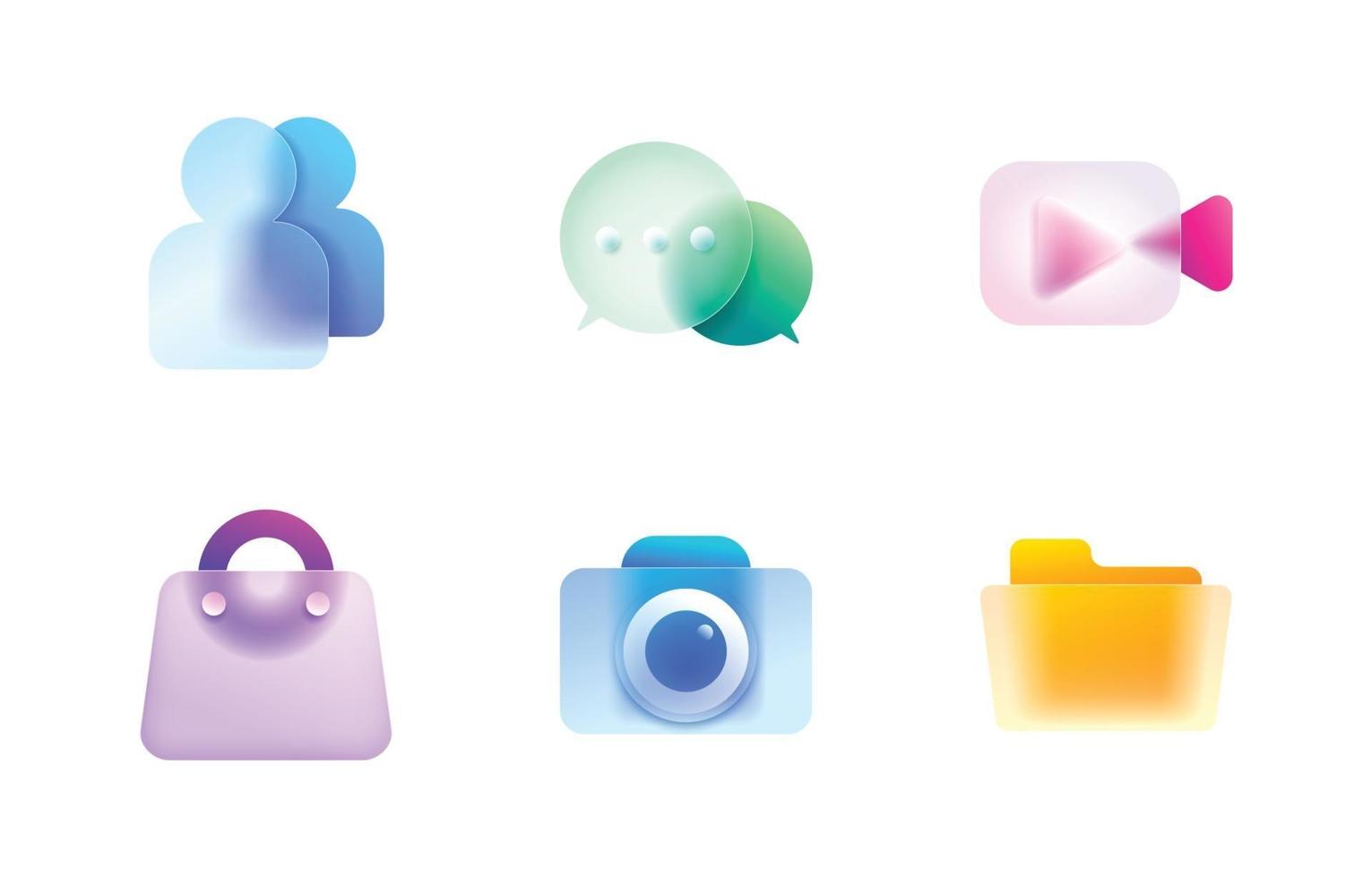
Glassmorphism UI Icons Vector Set for Modern Interfaces

Preview ImagePreview Image

Elevate Your UI/UX Design with Glassmorphic Vector Icons

Upgrade your software applications, web dashboards, and user interfaces with this high-quality Glassmorphism Icons UI Set. Designed with translucent layers, soft blurs, and vivid gradients, this vector pack brings a modern, sleek 3D aesthetic to modern control panels and tech interfaces.

Key Features:

  • Scalable Vector Format: Fully editable and infinitely scalable vectors designed for high-DPI displays.
  • Trend-Setting Aesthetics: Features realistic frosted-glass effects, subtle shadows, and vivid glowing accents.
  • Versatile Application: Perfect for CAD software interfaces, SaaS dashboards, mobile apps, and web UI components.
  • Easy Customization: Easily adjust colors, transparency, and stroke weights in Adobe Illustrator, Figma, or Inkscape.

Integrate these eye-catching icons into your next design project to create an intuitive and futuristic user experience.


Free Fire Double Vector Guide: Dominate Close-Quarters Combat with Free Vectors of Attack

Why the Double Vector Rules Close-Range Combat

The Vector SMG in Free Fire is legendary for its absurdly fast rate of fire. When dual-wielded as the Double Vector, it becomes an unstoppable close-range powerhouse capable of wiping out an entire squad in seconds. By aggressively rushing your opponents, you force them into high-pressure situations where panic sets in, making their aim shaky while you easily secure the elimination.

Strategic Movement: Utilizing Free Vectors to Flank Enemies

Executing a successful rush with the Double Vector requires more than just holding down the sprint button. To close the distance without taking heavy damage, smart players must manipulate the battlefield by utilizing free vectors of movement. Instead of running in a predictable straight line, take advantage of open angles, unexpected flank paths, and rapid cover hops to approach your target safely.

When you master these free vectors of attack, opponents lose track of your exact position. The moment you break into their immediate space with dual SMGs blazing, you leave them completely overwhelmed with zero time to react.

Essential Tips for Mastering the Rush Playstyle

To maximize your success when playing aggressively with the Double Vector, keep these key tactics in mind:

  • Close the Gap Quickly: The Double Vector excels in point-blank range but suffers heavily at medium to long distances. Always shorten the distance before opening fire.
  • Use Gloo Walls Tactically: Place Gloo Walls rhythmically as you advance to create free vectors of safe movement across open areas.
  • Equip Speed and Damage Skills: Pair your loadout with character abilities like Kelly for movement speed or Hayato for enhanced armor penetration to maximize your rush potential.

Final Thoughts

Dominating Free Fire with the Double Vector comes down to confidence, positioning, and aggressive execution. By controlling engagement angles and keeping the pressure on your enemies, you can easily turn every close-quarters fight into an effortless win!

Free vectors

Glassmorphism Icon Buttons Set Pro Vector Assets for Modern UI/UX

Preview ImagePreview Image

Enhance your application, web dashboard, or software control panels with the Glassmorphism Icon Buttons Set Pro Vector. Designed with modern visual hierarchy and sleek frosted-glass aesthetics, this vector pack provides scalable, high-resolution graphic assets tailored for UI/UX engineers, software designers, and interface developers.

Key Features:

  • Modern Glassmorphism Style: Features semi-transparent blur effects, subtle borders, soft gradients, and clean icon geometry.
  • Fully Scalable Vectors: High-quality vector formats allow effortless resizing and color customization without loss of visual fidelity.
  • Versatile Application: Ideal for CAD toolbars, engineering dashboards, desktop software, mobile apps, and web interfaces.
  • Production-Ready: Easily customizable for integration into vector design pipelines and prototyping software like Figma, Adobe Illustrator, and XD.

Upgrade your digital product's user interface with contemporary visual components engineered for maximum readability and modern user engagement.


Mastering Vector Algebra: A Guide to Free Vectors, Unit Vectors, and More

Vectors are fundamental mathematical tools used across physics, engineering, and advanced mathematics to represent quantities that possess both magnitude and direction. However, not all vectors behave in the exact same way. Before diving into complex vector operations, dot products, or cross products, it is essential to build a solid foundation by understanding the different types of vectors.

What Are Free Vectors?

In vector algebra, one of the most flexible concepts you will encounter is that of free vectors. A free vector is defined as a vector whose initial point is not restricted to a fixed position in space. As long as its magnitude and direction remain unchanged, it can be moved parallel to itself anywhere within a coordinate system.

Understanding how free vectors function makes solving geometric problems significantly easier. Because their starting points can be shifted freely, mathematicians and physicists can manipulate these vectors to form triangles, parallelograms, and polygon law diagrams without altering their core mathematical properties.

Common Types of Vectors Explained

Beyond free vectors, vector algebra classifies vectors into several distinct types based on their magnitude, direction, and initial positions:

  • Zero Vector (Null Vector): A vector whose magnitude is zero and whose initial and terminal points coincide. Since its length is zero, its direction cannot be specified and is considered arbitrary.
  • Unit Vector: A vector that has a magnitude of exactly one unit. Unit vectors are primarily used to indicate a specific direction in space without affecting the magnitude of other quantities.
  • Equal Vectors: Two vectors are defined as equal if they have the exact same magnitude and point in the same direction, regardless of their initial starting positions.
  • Parallel Vectors: Vectors that act along parallel lines or the same straight line. They share the same orientation, though their magnitudes and specific directions (same vs. opposite) may vary.

Why Understanding Vector Types Matters

Grasping these definitions is not just about memorization—it is a critical step for Class 12 Mathematics and introductory physics. Whether you are adding forces in mechanics or computing spatial positions in 3D geometry, recognizing whether you are working with unit vectors, zero vectors, or parallel vectors ensures accurate calculations and logical problem-solving.

Free vectors

Glassmorphism UI/UX Vector Template Pro: Modern Interface Design

Preview ImagePreview Image

Elevate your digital products and software interface concepts with this premium Glassmorphism UI/UX Vector Template. Tailored for UI/UX designers, software engineers, and digital product teams, this vector asset provides modern frosted-glass aesthetics, dynamic transparency effects, and crisp graphical elements to enhance modern dashboard and application designs.

Key Features:

  • 100% Scalable Vector Format: Resolution-independent graphics that can be scaled endlessly without loss of quality, fully compatible with vector editing software.
  • Modern Glassmorphism Aesthetic: Built with realistic translucent panels, subtle background blurs, multi-layered depth, and modern color gradients.
  • Customizable UI Elements: Includes modular components such as charts, widgets, navigation bars, and buttons for easy layout customization.
  • Versatile Application: Perfect for desktop software dashboards, mobile app interfaces, control panels, and SaaS web applications.

Streamline your design workflow and deliver visually captivating user experiences with this versatile design template.


Understanding Vector Algebra: A Guide to Free Vectors and Key Vector Types

Vectors are fundamental quantities in mathematics and physics that represent both magnitude and direction. However, not all vectors behave in the same way. To solve complex geometrical problems and master vector operations, you must first understand how vectors are classified. Among these classifications, free vectors are some of the most versatile concepts you will encounter in vector algebra.

What Are Free Vectors?

In vector geometry, free vectors are vectors whose position is not restricted to a fixed point in space. This means a free vector is defined purely by its magnitude and direction, rather than where it begins. As long as you maintain the original length and orientation, free vectors can be shifted anywhere parallel to themselves in a coordinate system without altering their mathematical value. This characteristic makes them essential for performing operations like vector addition, vector subtraction, and displacement calculations.

Essential Types of Vectors Explained

Beyond free vectors, several other fundamental vector types form the backbone of high school mathematics and physics:

  • Zero (Null) Vector: A vector whose magnitude is zero, meaning its initial and terminal points coincide. Its direction is arbitrary or undefined.
  • Unit Vector: A vector that has a magnitude of exactly one unit. Unit vectors are primarily used to indicate a specific direction in coordinate space and are often represented with a hat symbol (e.g., $\hat{a}$).
  • Equal Vectors: Two or more vectors are equal if they share the exact same magnitude and direction, regardless of their starting positions.
  • Parallel Vectors: Vectors that lie along parallel lines are known as parallel vectors. They can point in the same direction or opposite directions, regardless of whether their magnitudes are equal.

Why Mastering Vector Types Matters

Before diving into advanced vector operations such as dot products, cross products, and 3D coordinate geometry, recognizing the specific properties of each vector type is crucial. Knowing how to identify unit, zero, equal, and free vectors simplifies problem-solving and prevents common mistakes in algebraic calculations.

By building a solid conceptual understanding of these basic vector types today, you set yourself up for success in advanced mathematics, physics, and engineering!

Free vectors

Glassmorphism UI Login Templates for Mobile App Interfaces

Preview ImagePreview Image

Elevate your application's user interface with modern Glassmorphism login templates. Designed for software engineers, UI/UX designers, and app developers, these vector assets provide a futuristic frosted-glass aesthetic for mobile authentication screens and control interfaces.

Key Features:

  • Modern Glassmorphism Design: Features sleek semi-transparent cards, frosted glass effects, and vibrant glowing gradients.
  • Vector Scalability: Fully editable vector format allowing seamless customization for various screen resolutions and aspect ratios.
  • Mobile UI Optimized: Pre-built layout elements tailored for user logins, password inputs, registration forms, and modern dashboard entry points.
  • Developer & Designer Ready: Ideal for prototyping mobile companion apps, CAD software dashboards, and SaaS tool interfaces.

Master Graphic Design: How to Create Free Vectors with Affinity Studio

Are you ready to elevate your graphic design skills without breaking the bank on expensive software subscriptions? Vector graphics are the backbone of modern digital design, essential for creating crisp logos, sleek product labels, and scalable brand assets. Whether you are a complete beginner or an experienced creator looking to streamline your workflow, mastering vector tools is a game-changer for your creative projects.

In this comprehensive guide, we explore how you can leverage Affinity’s powerful design tools to create professional graphics and seamlessly work with free vectors.

Why Affinity Vector Studio is a Game-Changer

Affinity has revolutionized the creative industry by offering a robust, feature-packed alternative to traditional design software. As part of an intuitive 3-in-1 creative suite, Affinity Vector Studio provides designers with the precision tools needed for modern digital artwork. From flexible node editing and pen tool control to advanced color management, it offers everything required to craft high-impact visual content.

Instead of relying solely on generic stock assets, learning this software allows you to easily edit pre-made free vectors or build unique graphics tailored specifically to your brand identity.

What You Will Learn: From Basics to Advanced Techniques

Unlocking the full potential of vector design requires understanding both foundational concepts and advanced workflows. In a complete 90-minute step-by-step masterclass, you can go from zero experience to advanced vector creation. Key concepts include:

  • Logo & Icon Design: Learn how to combine basic geometric shapes, paths, and typography to construct memorable brand logos.
  • Label & Packaging Creation: Master precise layout and alignment tools to design print-ready product packaging and stickers.
  • Scalable Graphic Mastery: Understand how vector nodes work so your illustrations maintain pristine visual quality at any screen size or print dimension.

By developing these core skills, you won't just be downloading external free vectors—you will gain the technical confidence to edit, enhance, and create your own custom vector library from scratch.

Start Your Vector Design Journey Today

Vector design doesn't have to be overwhelming. With structured guidance and hands-on practice, you can quickly master the essential tools needed to produce commercial-grade artwork. Dive into this free 90-minute tutorial today to transform your design workflow, sharpen your creative technique, and take your branding projects to the next level!

Free vectors

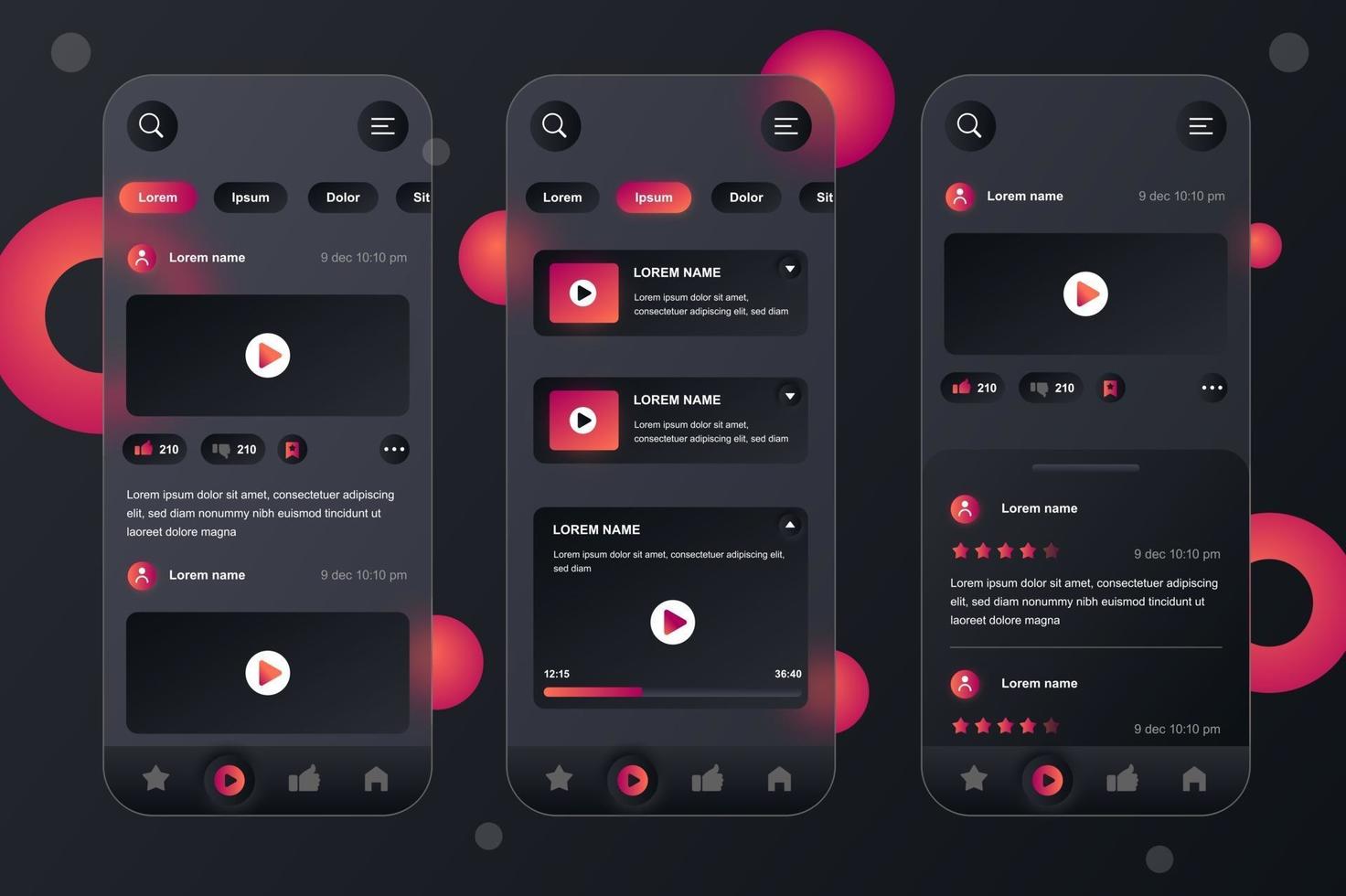
Video Streaming UI Kit: Glassmorphic Mobile App Vector Assets

Preview ImagePreview Image

Upgrade your mobile multimedia applications with the modern Video Tube Glassmorphic Elements Kit. Designed for UI/UX designers and mobile developers, this premium vector pack brings the popular frosted-glass aesthetic (glassmorphism) to video streaming, media sharing, and content platforms.

Key Features:

  • High-Scalability Vector Graphics: Fully editable and resolution-independent vector shapes suitable for all mobile screen densities.
  • Modern Glassmorphic Visual Styling: Features subtle transparency, dynamic blur effects, and fine border gradients for realistic glass textures.
  • Essential UI Components: Includes customized video player controls, navigation bars, media buttons, and floating action elements.
  • Cross-Software Compatibility: Easily importable into design tools such as Adobe Illustrator, Figma, Adobe XD, and Sketch for rapid UI prototyping.

Ideal for prototyping video streaming platforms, interactive media players, and next-generation mobile interface designs.


How to Find and Download Free Vectors for Commercial Use on VectorStock

Finding high-quality free vectors for commercial projects can often feel like a daunting task for designers, marketers, and business owners. With thousands of stock websites available, ensuring you have the correct commercial license is essential to protect your creative work and brand. VectorStock remains one of the premier platforms to source premium and scalable graphics for any project. In this quick guide, we will walk you through how to navigate VectorStock to find and download the best graphics for your commercial needs.

Navigating VectorStock for Commercial Licensing

Before using any vector graphic in a client project, digital advertisement, or physical merchandise, understanding the platform's licensing structure is critical. VectorStock offers various licensing options, ranging from standard commercial licenses to expanded rights for large-scale print runs. While many graphics are available without cost, always double-check whether a license requires attribution or if it permits direct commercial application. Paying close attention to these terms ensures your marketing campaigns remain compliant and legally protected.

Step-by-Step Guide to Downloading Vectors

Getting started on VectorStock is simple and user-friendly. Follow these quick steps to find and download your artwork:

  1. Search Smartly: Enter specific keywords related to your project in the search bar. By adjusting the platform's search filters, you can easily discover thousands of free vectors available for immediate download.
  2. Review License Details: Click on the desired image to review the license terms, confirming whether attribution is required for commercial projects.
  3. Select Your File Format: Choose your preferred format—such as EPS, AI, SVG, or high-resolution JPEG—depending on your design software requirements.
  4. Download and Customize: Save the file to your desktop and open it in tools like Adobe Illustrator or Inkscape to customize colors and scalable elements to match your brand.

Final Thoughts

Incorporating scalable vector artwork into your branding and social media materials is a game-changer for modern creators. VectorStock provides a reliable environment to discover versatile artwork that fits any creative budget. Start exploring today, and elevate your visual content seamlessly with VectorStock's vast library of free vectors and professional graphics!

Free vectors

Free Vector Asset: Realistic Glassmorphism UI Elements (Rectangle & Circle Shapes)

Preview ImagePreview Image

Enhance your digital interfaces, CAD visualization dashboards, and UI/UX prototypes with this high-quality Realistic Glassmorphism Effect Vector Set featuring precision rectangle and circle shapes.

Key Features:

  • Modern Aesthetic: Realistic frosted glass blur effect with subtle border gradients and clean lighting accents.
  • Fully Scalable Vector: Easily resize and customize colors, opacity, and blur intensity in Adobe Illustrator, Figma, or UI design software.
  • Versatile Use Cases: Ideal for dashboard overlays, software control panels, web app interfaces, HUDs, and modern CAD UI mockups.

Download this versatile vector asset to give your next engineering software interface or digital presentation a sleek, modern edge.


Elevate Your Fitness App Design with Animated Exercises and Free Vectors

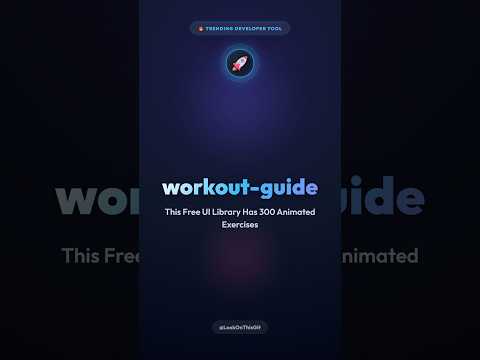
Building an engaging fitness application requires striking a balance between intuitive design, smooth user interactions, and clear visual demonstrations. When designing workout interfaces, finding high-quality design assets like free vectors and smooth animations can often be a time-consuming challenge. Fortunately, the open-source community has delivered a game-changing resource: the workout-guide UI library.

What is the Workout-Guide UI Library?

Discovered in the GitHub repository created by developer bryllim, workout-guide is an open-source project designed specifically for developers and designers building fitness and health applications. The standout feature of this library is its impressive collection of over 300 animated workout exercises.

Instead of relying on static images or heavy video files, this library provides lightweight, smooth animations covering a wide variety of exercises—from bench presses and bodyweight squats to complex cable routines.

Why Visual Assets and Free Vectors Drive User Engagement

Visual clarity is critical in fitness UI/UX design. Users need to understand correct exercise form quickly without getting lost in complicated menus or waiting for long video downloads.

By leveraging open-source tools alongside high-quality free vectors, frontend developers can create interactive, responsive user interfaces without spending thousands on custom graphics. Integrating vector graphics ensures that UI elements remain crisp and scalable across all screen sizes, from mobile devices to high-resolution desktop displays. Combined with animated exercise guides, your application can deliver a polished, modern user experience effortlessly.

Key Features of Workout-Guide

  • 300+ Animated Exercises: Clear, step-by-step visual guides for popular gym and bodyweight workouts.
  • Open-Source Freedom: Fully accessible on GitHub for developers to fork, customize, and integrate into their projects.
  • Lightweight Performance: Optimized animations that keep app loading times fast.
  • Developer-Friendly: Designed to streamline frontend development for workout trackers and fitness portals.

Get Started Today

Whether you need free vectors for static UI components or dynamic animations for exercise demonstrations, exploring open-source tools like workout-guide will dramatically speed up your development workflow.

Check out the official project repository on GitHub at https://github.com/bryllim/workout-guide to explore the code and elevate your next fitness app project today!

Free vectors

Minimalist Modern Glassmorphism Icon Set for UI/UX & CAD Dashboards

Preview ImagePreview Image

Elevate your software interfaces, CAD application controls, and engineering dashboards with the Minimalist Modern Glass Morphism Icon Collection. Designed with modern translucent visual effects, subtle blur layers, and sleek line art, this vector asset pack delivers a futuristic visual aesthetic for technical software development.

Key Features:

  • Modern Glassmorphism Aesthetic: Semi-transparent layers, frosted glass effects, and vibrant UI accent vectors.
  • 100% Scalable Vector Format: Fully editable and scalable vector elements suitable for high-resolution 4K/8K displays and mobile interfaces.
  • Developer & Designer Ready: Easily adaptable for software toolbars, system control panels, and SaaS web applications.
  • Clean Minimalist Styling: Ensures high readability and usability across dark and light software themes.

Ideal Applications:

Ideal for UI/UX engineers, technical designers, and software developers building modern 3D modeling interfaces, web dashboards, control systems, and mobile applications.


A Complete Guide to Types of Vectors: Understanding Free Vectors and Beyond

Vectors play a fundamental role in higher mathematics, physics, and engineering. Before diving into complex vector operations like scalar products or cross products, it is essential to understand the different classifications of vectors and how they behave.

What Are Free Vectors?

In standard vector algebra, most operations deal with free vectors. A vector is considered a free vector when its origin or initial point is not restricted to a specific position in space. As long as its magnitude and direction remain unchanged, you can shift it anywhere parallel to its original path.

Understanding how free vectors operate allows students to manipulate geometric shapes and perform vector addition seamlessly across a coordinate plane without worrying about fixed reference points.

Key Types of Vectors Explained

To build a solid mathematical foundation, here are the primary types of vectors every Class 12 student should know:

  1. Zero Vector (Null Vector): A vector whose magnitude is zero and whose initial and terminal points coincide. It has no specific direction.
  2. Unit Vector: A vector that has a magnitude of exactly 1 unit. Unit vectors are primarily used to indicate direction in a three-dimensional plane (represented as $\hat{i}, \hat{j}, \hat{k}$).
  3. Equal Vectors: Two or more vectors are equal if they possess the exact same magnitude and point in the same direction, regardless of where their initial points are located.
  4. Parallel and Collinear Vectors: Vectors that act along the same line or along parallel lines, regardless of their magnitudes or specific starting positions.
  5. Co-initial Vectors: Vectors that share the same initial starting point.

Why Mastering Vector Types Matters

Differentiating between zero, unit, equal, and parallel vectors prevents common errors during vector calculations. Whether you are solving three-dimensional geometry problems or working with free vectors in calculus and physics, mastering these fundamental classifications will make complex operations much easier to visualize and solve.

Free vectors